
- Blog
- Post-Surgery Recovery at Home: A 14-Day Checklist for Caregivers
Post-Surgery Recovery at Home: A 14-Day Checklist for Caregivers
urmi care May 15, 2026
Table of Contents
ToggleThe first two weeks after surgery can feel kinda long, and also a bit tiring. Initially, the first two weeks after surgery may seem sorta lengthy — however it is kinda exhausting. Someone is healing, someone else is managing medicines, meals, walking assistance cleaning & emotional needs all at the same time. Small things matter a lot during this time. Our team at Urmi Care stays close to families with trusted post-operative home care instructions that fit daily life.
We help families follow a smooth post-surgery home recovery checklist without making the days feel heavy. From medicines to movement, our caregivers guide every step with calm care. With the right after-surgery recovery checklist at home & proper post-surgery recovery at home guidelines, healing feels safer, softer, & more comfortable for everyone.
Preparing the Home Before Hospital Discharge
Healing does not start after reaching home. It starts before that. We always tell families to get the house ready early, so the first few days feel calmer & less tiring. Small changes around the home can make moving around safer & help everyone feel more relaxed during recovery.
Create a Safe Recovery Space
After surgery, even short walks can feel hard. That is why we prepare a quiet & comfortable space before the patient comes home. It helps avoid extra movement & lowers the chance of slips or falls. These little home recovery tips after surgery can make daily care more smoother, you know.
- Try setting up a sleeping or resting corner on the ground floor, if stairs feel unsafe
- Take away loose rugs , wires, or small furniture from where you usually walk
- Keep gentle lighting at night so bathroom trips are safer
- Place water, medicines, phone chargers, & tissues close by
- Use stable chairs with arm support for easier sitting & standing
Organise Medicines and Recovery Supplies
We like keeping all recovery items in one place. It saves time & avoids confusion when someone needs quick care. Following post-operative home care instructions becomes much easier this way.
Essential Items | Why They Matter |
Medicines | Helps manage pain on time |
Wound care supplies | Keeps dressings clean |
Water bottles | Prevents dehydration |
Thermometer | Tracks body temperature |
Discharge papers | Gives care details quickly |
Emergency contacts | Helps during urgent moments |
Review Hospital Instructions Before Leaving
Before leaving the hospital, we always read the papers carefully. Missing one detail can create problems later. Good surgical recovery at home guidelines help families feel more prepared.
- Check medicine timing & dosage carefully
- Understand food restrictions after surgery
- Keep follow-up appointment dates written down
- Ask questions if any instruction feels unclear
Days 1–3: Managing Pain, Rest, and Safety
The first few days can feel slow & tiring. We stay close, keep things calm, & watch every small change carefully. This part of the post operative care checklist for patients is mostly about rest, medicine timing, water intake, & noticing anything unusual before it turns serious.
Day 1 – Medication Tracking and Comfort Setup
The first day usually feels heavy. Sleep comes & goes. Pain medicine timing can get confusing, too. We help families build a small routine so nothing gets missed. A notebook, phone alarms, or just a calm resting spot can make the whole day feel less stressful, somehow. It’s also a major part of that post-surgery recovery checklist you handle at home.
- Write down every medicine with time & dose
- Set alarms before the pain starts getting stronger
- Keep pillows near the back, legs, or neck for comfort
- Place water, tissues, medicines, & phone nearby
- Keep the room quiet with soft lighting
Day 2 – Pain Management and Hydration
Pain may rise a little on day two. Dry mouth & constipation also happen after anaesthesia. We gently remind patients to drink water often & stay on schedule with medicines. Our post-surgery caregiver services at home also focus on keeping movement safe & slow.
- Give small sips of water throughout the day
- Do not delay pain medicines
- Watch for dizziness while standing
- Offer light foods if allowed
- Help with short walks inside the room
Day 3 – First Wound Observation
By day three, we start checking healing more closely. Basic post-surgery wound care at home should stay clean & gentle. We never touch the incision too much unless instructions say so.
Normal Signs | Warning Signs |
Mild swelling | Thick discharge |
Light redness | Bad smell |
Small soreness | Fever or chills |
Dry dressing | Increased swelling |
Days 4–7: Mobility, Wound Care, and Nutrition
By now, the hard part starts feeling a little lighter. Small movements feel less scary & the body slowly asks for more care, more rest, & better food. This is also the time when post-surgery wound care at home needs more attention, along with safe movement & daily healing habits.
Day 4–5 – Gentle Walking and Mobility Support
Around these days, short walks around the room or hallway can help blood move better & lower the chance of clots. We usually tell families to stay close while helping someone stand up, especially after long rest periods. Slow steps matter more than long walks during this stage of surgical recovery at home guidelines.
- Help them sit first before standing up slowly
- Keep pathways clear to avoid slips
- Use pillows or arm support while walking
- Stop if dizziness or heavy pain starts
Day 6 – Nutrition and Hydration for Healing
At this time the body needs refueling, repair of tissues and restoration of energy. Gentle proteins, hot drinks, fruits and fiber-forward foods can feel more mundane to digest in the recovery phase. These home recovery tips after surgery also help with strength & sleep.
Foods to Include | Why It Helps |
Eggs & lentils | Tissue healing |
Soup & water | Hydration |
Fruits & oats | Better digestion |
Day 7 – Tracking Recovery Progress
By the end of the week, we will look at sleep, appetite, pain, & energy changes. A small recovery journal can help families notice healing patterns early.
Recovery Log:
- Pain level
- Hours slept
- Meals eaten
- Walking time
Days 8–14: Rebuilding Routine and Emotional Recovery
These days can feel a little better, but the body still needs care. We keep watching healing closely & help patients feel steadier at home. Small progress matters during this stage of the post-surgery recovery checklist at home.
Day 8–10 – Monitoring Healing and Mood Changes
During this time, we check how the wound looks & how the patient feels emotionally, too. Many people feel tired, low, or frustrated because moving around is still hard. These home recovery tips after surgery help families notice small changes early.
- Redness, swelling, or fluid near the wound
- Low mood, poor sleep, or less interest in daily things
- More pain while walking or sitting
- Feeling weak after little activity
Day 11–12 – Preparing for Follow-Up Appointments
We start arranging notes for the doctor visit. This keeps the post-operative care checklist for patients clear & less stressful.
- Write down pain or movement changes
- Keep medicine timing notes
- List questions for the surgeon
Day 13–14 – Encouraging Safe Independence
We slowly help patients do light daily tasks without pushing too hard.
Do | Avoid |
Short walks | Heavy lifting |
Light self-care | Long-standing time |
Slow movement | Fast bending or twisting |
Warning Signs Caregivers Should Never Ignore
After surgery, small changes can turn serious fast. While following post-operative home care instructions & surgical recovery at home guidelines, we always tell families to watch closely & trust their gut feeling too.
- High fever or chills that do not settle down
- Chest pain or trouble breathing, even while resting
- Heavy bleeding or wounds that keep leaking
- Bad smell or pus coming from the surgical area
- Swelling getting worse instead of calming down
- Confusion, fainting, or unusual sleepiness
If any of these signs show up, do not wait & hope it passes. Call the surgeon or get emergency care right away. We also remind families to follow the surgeon’s advice first, even before general care tips.
Why Families Choose Urmi Care for Post-Surgery Recovery at Home?
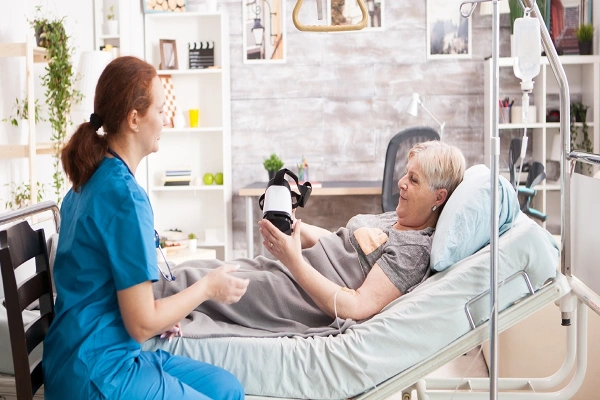
Coming back home after surgery can feel heavy for both patients & families. We stay close during this time with gentle care, trained staff, & regular attention that helps people feel safer at home. Our team handles daily recovery needs so families can breathe a little easier.
Professional Recovery Support at Home
We offer post-surgery caregiver services at home with care that feels calm & personal. Our team helps with medicines, walking support, hygiene care, wound observation, & recovery tracking. As a home nursing care after surgery provider, we stay alert to small changes that families may miss.
- Help with movement after surgery
- Medicine reminders on time
- Cleanliness & personal care
- Recovery monitoring every day
Personalised Care for Every Recovery Journey
Every recovery feels different. Our post-surgery patient care services at home are planned around age, surgery type, & mobility condition. Someone healing after knee surgery may need walking help, while an elderly patient may need full-day attention.
When to Consider Hiring a Post-Surgery Caregiver
- Elderly patient recovering alone
- Family members are busy with work
- Complex surgery recovery at home
- High-risk cases needing observation
Looking for post-operative home care services near me? We are here to help with kind & reliable care.
Final Thoughts
Healing at home takes more than medicines & rest. Families also need care, patience, and a calm routine every day. A proper post-surgery home recovery checklist can make small daily tasks feel less heavy & confusing.
When close ones try to do everything alone, it often turns draining both in body and mind. That is where a dependable post-surgery recovery care provider at home can bring ease, safety, and a little calm through the recovery path. At Urmi Care, we stay with families through gentle support that helps each day feel somewhat lighter.
FAQs
How long should someone stay under observation after surgery at home?
Recovery time depends on the surgery type, age, and overall health. Some people need support for only a few days, while others may require care for several weeks.
Is it normal to feel emotionally low or irritated after surgery?
Yes, mood changes can happen because of pain, limited movement, poor sleep, or medicines. Gentle support, rest, and regular conversation usually help patients feel better slowly.
Can patients take a bath during the first two weeks after surgery?
This depends on the surgeon’s advice and wound condition. In many cases, sponge cleaning or careful assisted bathing is safer until the incision heals properly.
What should caregivers do if the patient refuses to walk or eat?
Do not force them suddenly. Encourage small steps like short walks, light meals, or fluids slowly throughout the day while watching for pain or discomfort.
When should families arrange professional post-surgery care at home?
Professional care becomes helpful when recovery feels difficult to manage alone, especially for elderly patients, those with limited mobility, or surgeries needing regular monitoring.