
- Blog
- What Does a Home Nurse Do, Actually? A Day-in-the-Life Guide for Indian Families
What Does a Home Nurse Do, Actually? A Day-in-the-Life Guide for Indian Families
urmi care May 13, 2026

Table of Contents
ToggleAfter a surgery or during old age, many Indian families reach a point where home starts feeling like a small hospital. Medicines are lying on the table, sleep gets disturbed at night, & everyone is trying to do their part. Still, something feels missing. That is usually when families begin asking — what does a home nurse do beyond giving medicines or checking blood pressure?
The role of a home nurse is much deeper inside Indian homes. They watch small health changes, help patients stay clean & comfortable, handle medical care gently, & stay close during hard moments. Home nursing in Indian families often becomes emotional too, because patients slowly begin trusting the person caring for them every day.
Here’s what a typical day actually looks like for someone caring for patients at home.
Morning Routine of a Home Nurse (8:00 AM – 11:00 AM)
Mornings can feel slow & confusing for many patients, mostly older people. That is why the daily routine of a home nurse starts gently, with care that feels calm & familiar. We try to make the person feel safe from the first few minutes of the day.
What does a home nurse do in the morning?
8:00 AM – Arrival and Patient Observation
We usually begin quietly. Before touching medicines or equipment, we observe the patient’s assistance at home setup closely. We notice breathing patterns, sleep quality, swelling, body pain, or small changes in mood. Sometimes a patient looks fine but feels weak inside. We also check if there were any overnight complications or confusion during sleep.
The responsibilities of a home nurse also include checking the room, bed position, hygiene condition, & overall comfort before the morning starts properly.
8:30 AM – Vitals Monitoring and Health Assessment
We check health readings carefully because small changes can say a lot.
- Blood pressure helps us notice sudden health risks early
- Oxygen saturation shows if breathing feels normal
- Temperature helps detect infection signs
- Sugar levels matter for diabetic patients
- Pulse monitoring shows heart condition changes
This part of elderly support by home nurses helps families feel less worried throughout the day.
9:00 AM – Hygiene, Bathing, and Patient Comfort
Now the patient slowly gets ready for the day. We help with sponge baths, oral cleaning, fresh clothes, & gentle repositioning for bedridden patients. During this time, we also check for bedsores or skin redness.
- Clean bedding
- Comfortable body position
- Fresh clothes & grooming
- Calm, respectful care
10:00 AM – Morning Medication and Breakfast Support
Medicines are given on time with breakfast support. We also help with insulin care, feeding, & low-salt or diabetic meals prepared at home.
Why this matters:
- Medicines work better on schedule
- Patients eat safely & calmly
- Families feel more relaxed during busy mornings
Mid-Day Care and Recovery Support (11:00 AM – 2:00 PM)
By mid-day, we shift to recovery support with home nurses. They care for patients at home & mix medical checks with emotional support in home care.
What does a home nurse do in the mid-day?
11:30 AM – Mobility and Physical Assistance
We help patients walk safely, holding their hand steady on wobbly legs after a hip fix. Our home nurses provide physiotherapy support, gentle stretches to fight muscle stiffness from long bed rests.
They spot fall risks too, like slippery floors or loose rugs in Indian homes—maybe that wet kitchen tile or frayed carpet edge. We move things around quickly, so no one tumbles.
12:30 PM – Lunch and Nutritional Monitoring
Our nurses watch lunch closely, making sure patients stick to diets without messing with family meals. Picture grandma post-surgery—she gets soft dal & rice, easy to swallow, while we track her hydration with sips of warm water between bites. For diabetics, we measure rice portions just right, keeping sugar steady.
1:30 PM – Emotional Support and Companionship
Elderly folks often feel so alone in recovery, hearts heavy with worry. We sit close, our home nurses listening to old stories or quiet fears, wiping a tear with a soft smile. That chat turns the empty afternoon warm, like family right there.
Afternoon Medical Responsibilities (2:00 PM – 5:00 PM)
Afternoons often feel a little quieter, but this is when deeper care begins. During this time, the role of a home nurse becomes more hands-on & focused. We stay close, watch small changes, and help families feel less worried through the whole home healthcare experience.
What does a home nurse do in the afternoon?
2:00 PM – Wound Dressing and Clinical Procedures
- Wound dressing is done with clean steps to keep the skin safe from infection & pain.
- Catheter care is checked gently so there is no discomfort or blockage.
- IV support is handled carefully while watching fluid flow & patient response.
- Feeding tube assistance helps patients receive meals safely when eating feels hard.
- Infection prevention remains part of every task because even small mistakes can lead to hospital visits again.
These responsibilities of a home nurse help patients heal at home with more comfort.
3:30 PM – Monitoring Recovery Changes
We quietly notice the little things others may miss. A patient eating less, swelling near the feet, slow breathing, body pain, or sudden mood changes can say a lot. The role of a home nurse is not only to give care but also to spot early warning signs before they turn serious.
4:30 PM – Maintaining Daily Health Records
Daily Notes We Track |
Medicine timings |
Blood pressure & temperature |
Food intake |
Sleep patterns |
Pain or new symptoms |
Organised teams like Urmi Care keep proper records so families always stay informed & relaxed.
Evening Handover and Family Coordination (5:00 PM – 8:00 PM)
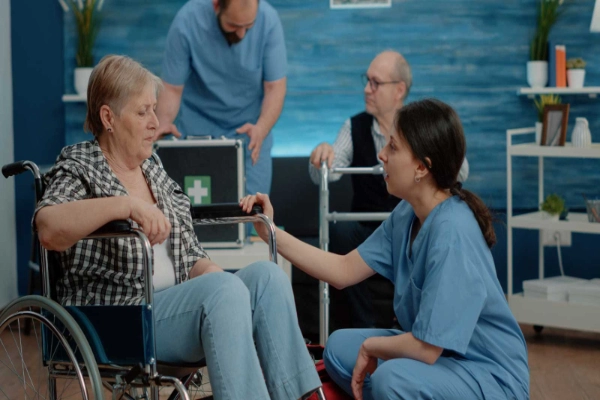
By evening, the home starts feeling quieter. This is the time when we slow things down for the patient & also for the family. Our work is not only about medicines. We also focus on comfort, calmness & trust. This is how home nurses help families feel less worried before the night begins.
What does a home nurse do in the evening?
5:30 PM – Preparing the Patient for Evening Rest
As the day ends, we help the patient settle down comfortably. We give evening medicines on time, adjust pillows, check body position & help with small movements if needed. Even sitting for a few minutes or walking slowly inside the room can make the patient feel lighter.
We also check small comfort needs:
- Fresh water was kept nearby for the night
- Bedsheets adjusted neatly
- Room temperature checked
- Light mobility support before sleep
- Repositioning patients to avoid body pain
This support provided by home nurses helps patients feel relaxed before bedtime.
6:30 PM – Updating Family Members
In many Indian homes, families want to know every small update. We sit with them & talk in a calm way. We share health improvements, medicine timings, changes in eating habits & any warning signs noticed during the day.
If the doctor has given new advice, we explain that too in simple words. This family caregiving support builds trust & keeps everyone connected to the patient’s care.
7:30 PM – Final Safety Check Before Leaving
Before we leave, we do one last round carefully:
- Emergency numbers kept visible
- Medicines placed within reach
- Safe sleeping position adjusted
- Walking area cleared to avoid falls
- A water bottle is kept near the bed
What Most People Don’t Realise About Home Nurses
People often think a day in the life of a home nurse is only about medicines & checkups. But inside a home, things feel different. We see fear during sudden health problems, tired family members trying not to cry, & patients struggling with confusion or silence.
Sometimes dementia brings angry moments or forgotten faces. Some days are calm. Some are heavy. Still, compassionate home nursing care means staying gentle even in hard moments. We try to protect dignity, not just health.
Many families also need emotional support in home care. A small conversation, a calm voice, or sitting beside someone quietly can matter more than people expect.
At Urmi Care, we focus on more than medical training. We follow structured care standards, but we also teach empathy, patience, & human connection because home care should never feel cold.
Conclusion
When families ask us what does a home nurse do , we always say it goes far beyond daily by urmicare. The role of a home nurse is to stay close during hard moments, watch every small health change, give proper medical care & help families feel less worried at home.
Through home nursing in Indian families, we often see loved ones heal with more comfort around familiar faces & surroundings. We work with patience, care, and attention throughout the day, so families do not feel alone while caring for someone important. A trained home nurse brings safety, calmness, and steady care that helps both patients & families breathe a little easier.
FAQs
Can Home Nurses Handle Medical Emergencies at Home?
Home nurses can manage many urgent situations like sudden weakness, breathing discomfort, low sugar, or high fever until medical help arrives. They also know when a condition needs immediate hospital attention instead of home care.
Is Home Nursing Only Needed for Elderly Patients?
No, home nursing also supports younger patients recovering from surgery, accidents, stroke, cancer treatment, or long-term illnesses. Even short-term care at home can help recovery feel less stressful.
How Do Families Know if a Home Nurse Is the Right Fit?
Families should look for proper training, patient handling experience, hygiene practices, and communication skills. A good home nurse should make both the patient and family feel comfortable & respected.
Can Home Nurses Help Reduce Hospital Readmissions?
Yes, regular monitoring at home often helps detect health problems early before they become serious. Proper medicine management, infection care, and recovery tracking can lower the chances of repeated hospital visits.
What Should Families Prepare Before a Home Nurse Starts Care?
Keeping medical reports, prescriptions, emergency contacts, and basic patient supplies ready helps care run smoothly. A clean, safe, and calm room also makes daily nursing support easier for both the patient and nurse.